Steps to Identifying the Suitable General Contractor for Your Next Home Project
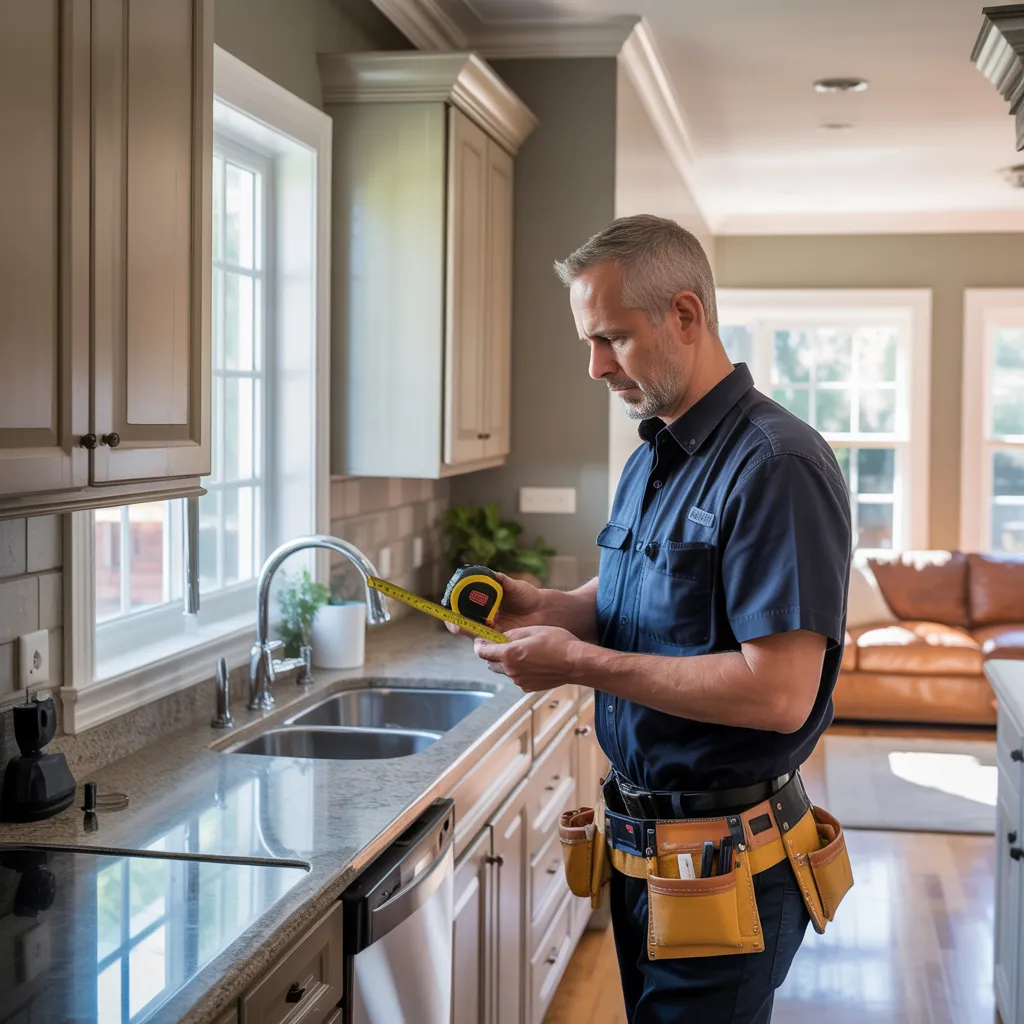
Picking the ideal general contractor for your house renovation is an important determination. It calls for careful assessment of different factors, comprising track record, credentials, and interpersonal abilities. Plenty of homeowners fail to consider vital elements, creating financial losses. Discovering how to review candidate contractors can prove invaluable. Through prioritizing core requirements and seeking proper responses, you can tackle this challenging process with greater ease. What are the vital procedures to assure a fruitful collaboration?
How to Steer Clear Of Regular Issues When Hiring a Construction Professional
When choosing a general contractor, how can one navigate the myriad of possibilities without making common traps? Prospective clients frequently neglect vital factors that can result in unsatisfactory outcomes. First, considering price alone can be confusing; the minimum quote may reflect poor standards or concealed expenses. Additionally, not reviewing referrals or web evaluations can lead to employing an untrustworthy contractor. It is also essential to avoid making decisions based on charisma alone; a likable contractor may not be skilled or dependable. Moreover, neglecting transparent dialogue and standards can bring about misinterpretations and dissatisfaction. Finally, neglecting to carefully read agreements before signing can result in unexpected obligations or lack of protection. By being careful and knowledgeable, homeowners can make wiser selections, in the end creating a triumphant project.
Guide to Understanding a Contractor's Experience
When assessing a contractor's experience, multiple important elements factor in. Relevant project experience, industry certifications, and an comprehensive portfolio of finished projects act as critical indicators of their abilities. Evaluating these elements can offer valuable insights into the contractor's fit for the particular job at hand.
Pertinent Project History
Grasping a contractor's relevant background is vital for ensuring the accomplishment of any building venture. Prospective clients should review the contractor's portfolio, focusing on finished projects similar in size and character to theirs. This requires analyzing the quality of work, observance to deadlines, and budget management in prior assignments. Moreover, it is beneficial to request about the types of products used and the contractor's understanding with local codes and regulations. Testimonials and recommendations from previous clients can deliver insights into the contractor's reliability and soft skills. Ultimately, a contractor with substantial pertinent experience can navigate problems effectively, guaranteeing the project meets the homeowner's wishes and standards.
Sector Qualifications And Licenses
Licensing and certification serve as essential indicators of a contractor's professional competence and skill in the construction industry. When choosing a general contractor, it is crucial to confirm that they have the necessary licenses mandated by local and state regulations. These licenses show compliance with building codes and safety standards. Additionally, industry certifications, such as those from the National Association of Home Builders or similar organizations, reflect a contractor's dedication to quality and ongoing education. Contractors with specialized certifications may also have skills in specific areas, such as green building or remodeling. Verifying that a contractor has the appropriate credentials not just improves confidence in their capabilities but also reduces potential legal and financial risks during the project.
Portfolio Of Accomplished Work
A tradesperson's portfolio containing accomplished work functions as an key asset for assessing their experience and competencies. This collection ought to feature a diversity of projects, highlighting adaptability in multiple styles and complexities. When analyzing a portfolio, potential clients should pay attention to high-quality photographs that clearly illustrate the skill involved. It is also beneficial to observe projects that correspond to the homeowner's specific needs or design tastes. Attention to detail, creative solutions, and sticking to timelines are important signs of a contractor’s expertise. Additionally, client testimonials or case studies included in the portfolio can provide more insights into the contractor's work ethic and reliability. Ultimately, a strong portfolio can assist homeowners in making educated choices about their future projects.
How to validate Your Contractor Qualifications and Licenses
It is crucial to confirm a general contractor's qualifications and certifications before enlisting their services, confirming they satisfy industry standards. Check with state licensing agencies to validate the contractor holds the proper documentation needed for your area and project type. Understanding that each state has its own requirements can avoid later problems.
Furthermore, ask about insurance policies, such as liability and workers' compensation, to guarantee protection against potential accidents or damages. Request references from past clients and follow up to gauge satisfaction and reliability.
Ultimately, inspect any qualifications the contractor may hold, as these often show professional development and commitment to industry best practices. A complete assessment process not only guarantees compliance but also fosters trust in the contractor's ability to execute the project successfully.
Why Consistent Communication Is Critical in Your Contractor Relationship
Dialogue that is strong serves as a cornerstone in the contractor-client partnership, shaping the project's outcome from the beginning. Transparent conversation defines expectations, timelines, and budgets, making certain both parties are aligned on the project's goals. When clients articulate their vision with clarity, contractors can provide well-informed recommendations and solutions, enhancing the overall result.
Ongoing communications and clear lines of communication enable timely resolution of concerns as they arise, reducing potential delays. Additionally, a contractor who hears and addresses customer concerns strengthens confidence, which is paramount for collaboration.
Moreover, strong dialogue assists in handling modifications and unforeseen obstacles, keeping the initiative on schedule. It allows the construction professional to modify methods based on customer feedback, guaranteeing satisfaction throughout the process. Finally, focusing on engagement not only reinforces the contractor-client relationship but also greatly contributes to the successful completion of the home renovation.
Key Questions to Raise to Your Service Provider in Opening Meetings
In early meetings with a contractor, clients should emphasize understanding their background and qualifications. It's crucial to inquire about the project timeline and budget to guarantee alignment with the client's needs. These questions create a foundation for a successful partnership and smooth project management.
Experience and Expertise
Deciding on a general contractor depends on knowing their professional history and aptitude. Homeowners should probe the contractor's years in the industry and the nature of projects they have executed. Essential inquiries about licenses, certifications, and insurance are critical, as these guarantee adherence to local codes and protect throughout the project timeline. In addition, reviewing past work through portfolios or references can deliver understanding into the contractor's workmanship and reliability. It is also wise to ask about their experience with similar projects, as this can signal their proficiency to manage distinct difficulties. Ultimately, evaluating a contractor's experience and qualifications fosters confidence and helps homeowners select the best option for their home work.
Project Timeline and Budget
How can homeowners guarantee their undertaking stays on track financially and temporally when consulting with a general contractor? To preserve consistency, they should pose significant questions during initial meetings. Homeowners must ask about the estimated timeline for project completion and any potential delays that could arise. Understanding the contractor's method to schedule management is crucial. Additionally, discussing the budget upfront is important; homeowners should seek clarity on pricing estimates, payment schedules, and any included contingencies for unforeseen expenses. Asking about past work can offer understanding into the contractor's dependability in meeting deadlines and maintaining budget constraints. By creating open dialogue regarding timelines and finances, homeowners can foster a collaborative partnership with their contractor, improving the likelihood of a successful project.
What actions should one implement to guarantee a general contractor is dependable? First, it is essential to obtain a list of references from potential contractors. A reputable contractor will easily give names and contact information of previous clients. One should call these references to ask about their experiences, highlighting aspects such as communication, craftsmanship, and adherence to timelines.
Furthermore, reviewing online opinions on services like Google, Yelp, or Angie's List can supply helpful knowledge. It is vital to spot common patterns in the reviews—steady positive or negative feedback can demonstrate credibility or potential concerns.
Additionally, reviewing for any grievances filed with local licensing boards or consumer protection agencies can expose a contractor's background. Finally, asking for current project photographs can support the assessment of the quality of their work. By adopting this approach, one can make a more informed decision when choosing a general building contractor.
Comprehending External Provider Pricing Strategy and Payment Requirements
Homeowners should also get acquainted with typical pricing structures. Most contractors require a upfront deposit, followed by progress payments tied to completion stages. It's crucial to clarify these terms before signing a contract to prevent confusion. Additionally, homeowners should ask regarding extra expenses, such as licenses or unforeseen maintenance. Clear communication regarding pricing and payment terms will foster a transparent professional partnership, ultimately leading to a successful project outcome. Understanding these elements enables homeowners to make informed decisions when choosing a general contractor.
Often Posed Questions
What timeframe should you expect for task conclusion?
The project duration tends to vary according to how complex and extensive the project is. In general, completion might take multiple weeks or several months. associated resource Climate factors, material supply, and workforce resources can greatly impact when the work completes.
What Takes Place if Unanticipated Issues Occur During Project Work?
If unexpected issues arise during construction, the contractor typically evaluates the situation, communicates with the property owner, and suggests remedies. Modifications to the schedule and costs may be required, guaranteeing openness throughout the process.
Does My Project Require Permits or Inspections?
The majority of initiatives necessitate permits and inspections to guarantee compliance with local building codes. It is important to speak with a general contractor who understands these mandates, as they can navigate the permitting process effectively.
How Are Subcontractors and Payment Arrangements Handled in Your Process?
A reputable general contractor manages subcontractors by establishing clear contracts detailing payment terms. They ensure prompt payment, maintain transparent dialogue, and monitor sub-contractor productivity, promoting a cooperative setting that aids in successful project completion and productivity.
What Is Your Policy on Project Modifications or Enhancements?
A flexible approach to project changes is upheld by the contractor, insisting on written documentation for any upgrades. They promise open dialogue, assess cost implications, and adapt timelines as needed to accommodate the customer's shifting demands and preferences.